
Everything Nobody Tells You When You Start Buying Cosplay
Everything Nobody Tells You When You Start Buying Cosplay
A practical, honest guide to buying cosplay online — understanding aggregator platforms, navigating the second-hand market, researching brands, and ignoring the platform wars.
Everything Nobody Tells You When You Start Buying Cosplay
The moment you decide to buy your first cosplay instead of making it, a very specific kind of chaos begins.
Suddenly you are six tabs deep into a Reddit thread from 2021. Someone in a Facebook group is calling a popular platform a scam. Someone else is defending it like their life depends on it. A third person has posted a photo of a beautiful costume with zero information about where it came from. You close the laptop. You open it again. You are no closer to making a decision.
Most of what circulates in cosplay communities about where and how to buy is either outdated, exaggerated, or based on one person's single experience being treated as universal truth. After years of buying and collecting, the picture becomes a lot clearer and a lot less dramatic than the discourse suggests.
What Most Bought Cosplays Have in Common
Walk into the cosplay buying world and you will encounter names that seem completely unrelated to each other. Different platforms. Different price points. Different reputations. What most people do not realise at the start is that a significant portion of mass-produced cosplays, regardless of where you purchase them, trace back to the same origin point: independent brands manufacturing on TaoBao, China's largest consumer marketplace.
This single fact explains so much of the confusion. The same costume, from the same brand, can appear on multiple platforms at different prices. Quality variation between purchases of the supposedly same item is real because different batches and different handling affect the final product. Sizing inconsistency across brands is expected because every brand patterns to different standards.
Knowing where things come from helps you shop smarter rather than shopping based on platform loyalty.

Understanding Aggregator Platforms
Several popular cosplay shopping platforms operate by bringing together products from multiple TaoBao brands into a single, searchable, English-language storefront. The value they provide is real: finding specific brands on TaoBao directly requires navigating a platform in Mandarin, understanding how proxy purchasing works, and managing international shipping that carries its own costs.
What these aggregator platforms charge for is convenience, curation, and accessibility. Their prices will typically be higher than going directly to the original brand. Whether that trade is worth it depends entirely on your comfort level with the alternatives, your timeline, and your budget.
Before buying from any aggregator, check which brand is actually making the costume you want. Reviews of the platform tell you about the shipping and customer service experience. Reviews of the specific brand tell you about the quality and sizing of the actual garment. These are two separate conversations and conflating them leads to unfair conclusions in both directions.
The Second-Hand Market Deserves More Honesty
Buying pre-owned cosplay has genuine advantages. Prices can be significantly lower than retail. Quality has often been assessed by someone before you. Sold-out pieces become accessible again. For cosplayers building a collection without the budget to buy everything new, the second-hand market is genuinely valuable.
What it requires is a level of buyer awareness the community does not always talk about clearly enough.
Cosplay culture has developed a version of fast fashion where trending character costumes get purchased, worn for a photoshoot or two, and then relisted at prices close to or sometimes above original retail. When you factor in platform fees and shipping charges on resale sites, a second-hand purchase can end up costing more than buying the same item new from the original source. Do the maths every time before committing.
Sizing is a persistent issue in the second-hand market. A costume listed as one size may fit very differently from what the label suggests, either because the original brand sized it unusually or because the listing has not been honest about how the garment actually fits. Ask for measurements. Ask specifically about any pieces that might have issues. A seller who answers these questions straightforwardly is a seller worth trusting.
A worn costume is a used item. Listing it at brand-new prices, especially when popular cosplay brands regularly restock their pieces, is not a legitimate pricing strategy. Most brands bring back their costumes repeatedly. Urgency-based pricing on second-hand items is rarely warranted and often misleads buyers who do not yet know the item will come back.
The Question of Brand Research
Brands evolve. A brand with an excellent reputation for quality several years ago may have shifted its manufacturing priorities since then. A newer brand with less community visibility might be producing some of the best quality available right now. Reputation is a starting point for research, not a final answer.
When considering any brand, look for recent purchases rather than older reviews. Look for reviews from people with similar sizing to yours, because quality experiences can genuinely differ based on how a garment is cut. Look for reviews that include photographs rather than text descriptions alone.
The cosplay community shares information generously when asked in good faith. Specific questions get more useful answers than general ones. Ask which brands work well for the specific type of costume you are looking for. Ask about sizing from people who have purchased recently. The knowledge is there.
Buying Cosplay Without Making It Somebody Else's Business
The part of cosplay buying culture that deserves the most honest examination is the social weight that gets attached to purchasing decisions.
Where someone buys their costume, how much they spend, whether they alter a purchased piece or wear it as-is: none of these things determine whether someone is a real cosplayer, a serious cosplayer, or a cosplayer worth respecting. The hierarchy that has developed in some spaces around purchasing choices is built on nothing meaningful.
People have different budgets. People have different bodies that different brands accommodate differently. People have different amounts of time to research platforms and navigate international purchasing. People are at different stages of the hobby with different levels of knowledge about what options exist.
The job of anyone with more experience is to share information clearly and without condescension. The job of anyone newer to buying is to research before purchasing and ask questions rather than accepting secondhand opinions as settled fact.
Do your research. Check size charts against your actual measurements. Read recent reviews from people whose builds are similar to yours. Ask questions in communities where experienced buyers are active. Form your own conclusions.
Cosplay is for everyone in it. The costume gets you through the door. What you do with the community once you are inside is what actually matters.
About the Author
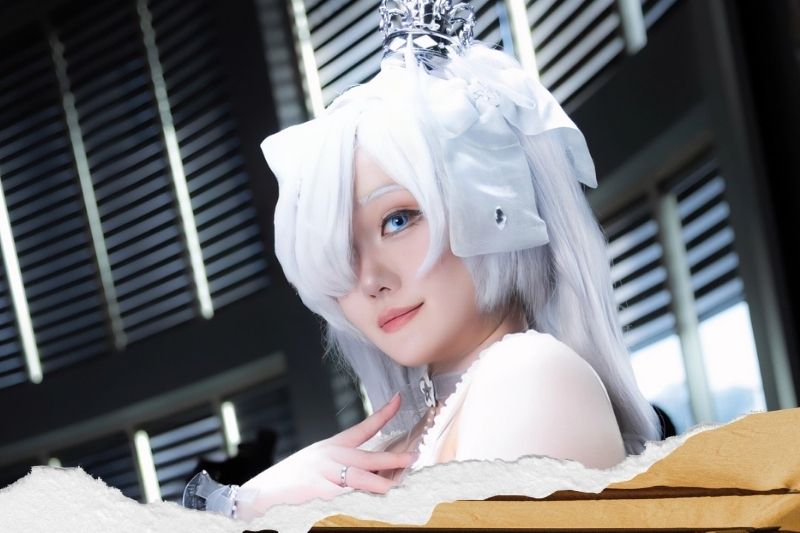
Katz Sharky
I've been knee-deep in foam, fabric, and fandom longer than I care to admit. I write about cosplay the way I live it — with strong opinions, genuine care, and an embarrassing amount of enthusiasm for this passion done right.
Visit me at www.facebook.com/SaltedEggKatz