
The Difference Between a Good Cosplay and a Great One Is Smaller Than You Think
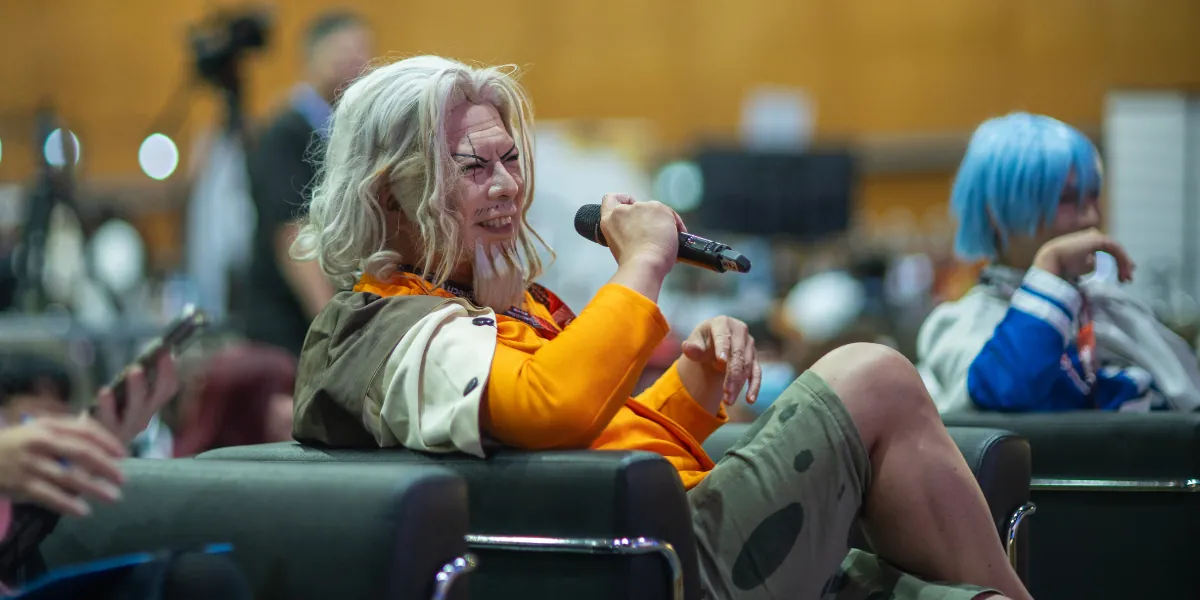
The Difference Between a Good Cosplay and a Great One Is Smaller Than You Think
The cosplays people remember are not always the most expensive builds. They are the ones where every small decision was made thoughtfully — from wiring floaty materials to finishing with trim, heavier makeup, and a shoot space built from nothing.
The Difference Between a Good Cosplay and a Great One Is Smaller Than You Think
You know that feeling when you see a cosplay and something about it just lands differently?
The costume might not even be the most elaborate build in the room. The materials are not necessarily expensive. But every single element of it feels considered. It holds together. It photographs well. The person wearing it looks completely at ease. And you walk away thinking about it hours after the convention is over.
That quality is not a talent some cosplayers have and others do not. It is a set of habits. Small, learnable, repeatable habits that stack on top of each other until the end result looks like something much larger than the sum of its parts.
Understand What Your Costume Needs to Do
The first and most underrated decision in any cosplay is matching the build to its purpose. A costume designed for a studio photoshoot and a costume designed to survive eight hours at a crowded convention are solving completely different problems.
For event days, think practically. A cosplay that restricts your peripheral vision because of an elaborate wig placement means navigating crowds with a meaningful handicap for the entire day. Footwear that photographs beautifully but was never designed for standing on concrete for hours becomes a genuine physical problem by mid-afternoon. Revealing costumes at busy events create ongoing wardrobe anxiety that takes your attention away from actually enjoying the experience.
Making peace with having a convention version and a photoshoot version of the same character is not a compromise. It is good planning.

Build Stability Into the Construction
Soft, light, floaty materials are some of the most difficult to work with in cosplay because they rarely behave the way the reference art suggests they should. Fabric extensions drift. Bandages collapse. Wig hair refuses to stay where it was styled. The character in the source material is drawn in two dimensions and gravity had no say in that process.
Running wire through pieces that need to hold a specific shape gives you control that no amount of styling product or pinning can replicate. The wire sits inside the material, invisible, and the shape you create when fitting it to your body is the shape it holds throughout the day. This applies to hair pieces, costume extensions, flowing fabric, and anything else that needs directional structure rather than just volume.
Similarly, any costume with a hat or headpiece worn over a wig needs some form of anchor between the two. Wigs have no grip for hats the way natural hair does. A clip, a snap, or a small magnet secured into both the hat lining and the wig cap takes minutes to add during construction and eliminates a problem that would otherwise require constant adjustment throughout the event.

Finishing Is Where Most Builds Stop Short
The construction gets completed. The major pieces are assembled. And then the finishing, the layer of detail work that separates something that looks made from something that looks crafted, gets skipped because time or energy ran out.
Decorative trim is the most accessible finishing tool available. Braid, chain, lace, appliqué, woven borders: all of these add visual complexity to surfaces that would otherwise look flat. They are available from fabric suppliers, online craft marketplaces, and sewing stores. Hand-sewing them on takes time but no specialist skill. The difference in the final read of a costume with considered trim versus one without it is visible in every photograph and at every viewing distance.
Rhinestones do the same work at a different scale. Applied to costumes, accessories, or the face itself as part of the makeup look, they catch and return light in a way that adds dimension to photographs. On stretchy fabric, E6000 moves with the material. On rigid surfaces, a clear-drying craft adhesive bonds cleanly without residue.
Makeup for Photography Is a Different Skill
Photography lighting does the same thing to makeup regardless of the source: it flattens it. Features that read clearly in person become indistinct. Colour washes out. Dimension disappears.
Makeup application for cosplay photography needs to compensate for this in advance. More intensity across every element. More defined edges. Deeper contouring. Colour that reads slightly stronger than feels natural when applied. The camera will pull it back toward where you want it. What feels like too much in the mirror will read as correct in the photograph. This is one of the most reliable and cost-free upgrades available to anyone who photographs their cosplay regularly.
Your Patterns Already Exist in Your Wardrobe
Commercial sewing patterns carry their own limitations, primarily that they are drafted to standard measurements that may not match your body. The result is a costume that fits the pattern’s intended wearer but requires significant adjustment for everyone else.
A garment already in your wardrobe that fits the way you want a new piece to fit is a pattern. Lay it flat, trace its shape, add seam allowance, and you have a starting point calibrated to your actual dimensions. This approach bypasses most of the fitting problems that come from commercial patterns and produces results faster because the proportion work has already been done.
Props Do Not Come From One Method
The presence of a 3D printer in a workspace is a tool, not a prerequisite. Props built from insulation foam board are lightweight, structurally capable, carvable, sandable, paintable, and produce results that photograph indistinguishably from printed pieces at convention distances. Cardboard, when layered, sealed, and finished properly, creates rigid structures with real durability.
Both materials have been used in cosplay construction for longer than consumer 3D printers have existed. The skill is not in the equipment. It is in understanding how materials behave and how to finish them.
A Shoot Space Is Wherever You Make One
Professional studio access is useful but optional. A corner of a room with fabric hung from the wall and spread across the floor is a backdrop. The quality of the images produced in that space is determined almost entirely by how the light is controlled, not by the sophistication of the space itself.
Flowers, props, and set elements placed within that space cost whatever those individual items cost. What makes the difference is understanding light and using it deliberately, which is a learnable skill regardless of the space.

The Compound Effect of Small Decisions
None of what is described here is transformative on its own. Wire in a costume piece is a small thing. Heavier makeup is a small thing. A clip inside a hat is a small thing. Trim added to a purchased costume is a small thing.
What they become together is the difference between a cosplay that is finished and a cosplay that is memorable. Every small decision that was made thoughtfully adds to the final read. Every detail that was given attention contributes to a result that looks like far more craft and investment went into it than actually did.
The cosplays that people remember from a convention day are not always the biggest builds or the most expensive materials. They are the ones where the person wearing the costume clearly thought carefully about every part of what they were making and wearing.
That level of intention is available to every cosplayer regardless of budget, experience level, or the tools they have access to.
It just has to be practiced.

About the Author
Katz Sharky
I've been knee-deep in foam, fabric, and fandom longer than I care to admit. I write about cosplay the way I live it — with strong opinions, genuine care, and an embarrassing amount of enthusiasm for this passion done right.
Visit me at www.facebook.com/SaltedEggKatz